
Tết Nguyên Đán, or the Lunar New Year, is the most cherished celebration for Vietnamese people. However, for Vietnamese communities living overseas, Tết is no longer simply a holiday; it becomes a test of cultural identity, family cohesion, and community connection. Experiencing Tết abroad requires balancing memories and expectations across generations while adapting to the social and cultural realities of the host country.

1. Awareness of Regional Differences in Tết Across Northern, Central, and Southern Vietnam
Tết Nguyên Đán is the most important festival of the year for Vietnamese people. It is not only a time for family reunions but also a moment for reflection on tradition, for offering wishes of peace and prosperity, and for expressing national cultural values. Although it shares the same name nationwide, Tết in the North, Central, and South carries distinct characteristics shaped by differences in climate, history, and daily life.
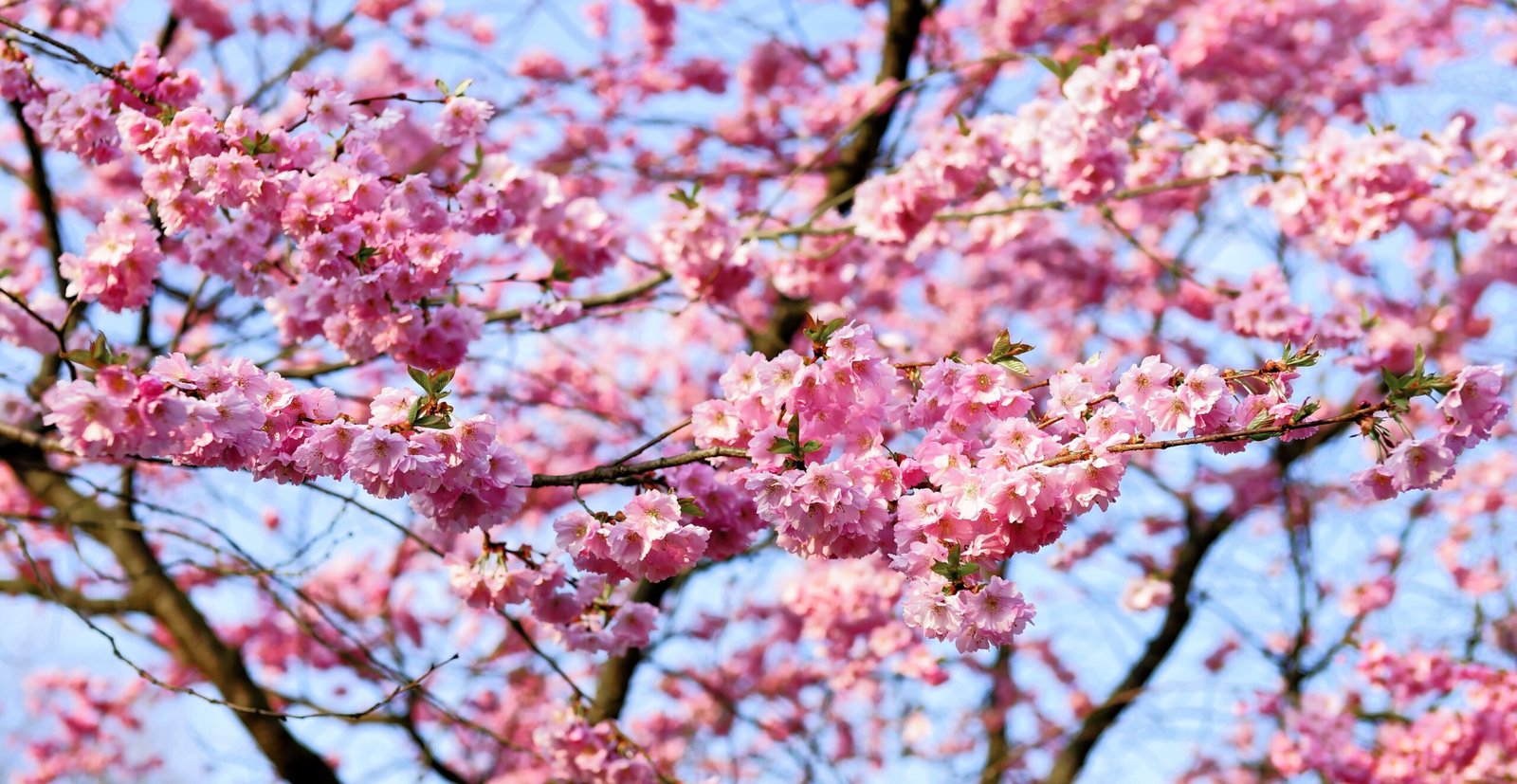
In Northern Vietnam, Tết is typically solemn and warm in spirit, yet accompanied by the chill of winter. Northerners place great emphasis on traditional rituals such as cleaning the house, tending ancestral altars, and preparing elaborate ceremonial meals featuring square bánh chưng, pork rolls, pickled onions, and fried spring rolls. Peach blossoms, kumquat trees, and red calligraphy banners are indispensable symbols, creating an atmosphere that is both elegant and festive. Giving lì xì (lucky money) to children is a cherished custom, while traditional folk games such as Chinese chess or ô ăn quan—help strengthen family bonds.
Central Vietnam presents a different tone. Tết here is often tranquil, solemn, and sometimes introspective, reflecting the region’s cold weather or persistent drizzles. Families still clean their homes and prepare offerings for ancestors, but meals are generally simpler, featuring smaller bánh tét, sticky rice, braised pork, and bamboo shoot soup. The Central Vietnamese Tết feast is modest yet balanced in flavor, sweet, salty, and sour, less elaborate than in the South but rich in meaning. Giving lucky money is less emphasized; instead, well-wishes and traditional verses convey affection and moral values. Visiting pagodas to pray for good fortune is an important custom, especially during the first days of the year. Like the North, the Central region values the tradition of selecting the first visitor of the year (xông đất), often choosing someone believed to bring good luck and prosperity. Overall, Tết in Central Vietnam preserves ancestral rituals while remaining simple and deeply local, creating an atmosphere that is both dignified and intimate distinct from the North’s formality and the South’s exuberance.
By contrast, Southern Vietnam celebrates Tết in a joyful, lively, and warm atmosphere. The southern spring is rarely cold, encouraging outdoor activities such as flower markets, spring festivals, and leisure travel. Southerners prepare round or long bánh tét, decorate homes with yellow apricot blossoms, ornamental plants, and red banners. Lucky money is generously given not only to children but also to adults as a gesture of friendliness and openness. Visiting pagodas, attending spring festivals, and gathering with friends and relatives are central activities that create a vibrant and energetic holiday spirit.
Comparing Tết across the three regions reveals that each has its own unique character, yet all share core values: family reunion, ancestor worship, well-wishing, and the preservation of cultural traditions. The North is solemn and warm; the Central region is serene and reflective; the South is cheerful and dynamic. This diversity forms a rich and unified picture of Vietnamese Tết, reflecting the multidimensional nature of national culture.
Despite regional differences, Tết remains a time for people from North to South to turn toward their roots, cherish family bonds, and renew their hope for a peaceful and prosperous new year. Harmonizing these regional traditions is not merely about sharing food or greetings, but about sustaining emotional ties, cultural continuity, and the Vietnamese spirit within families and communities.
2. Principles of “Harmonizing” Tết Across the Three Regions
Respecting regional characteristics does not mean forcing Northerners to celebrate as joyfully as Southerners, or Southerners to observe rituals in the Northern style, nor imposing the solemnity of Central Vietnam on everyone. Instead, each region’s rituals, foods, and customs should be preserved as symbols of Vietnam’s cultural diversity, while common ground is cultivated through shared values such as:
- Emphasizing the original meaning of Tết: family reunion, ancestor remembrance, and a hopeful new beginning;
- Using shared activities—Tết meals, New Year greetings, lucky money, peach or apricot blossoms, folk games—to connect North, Central, and South, even if practiced differently;
- Creating “blended but not merged” experiences. For example, at a community Tết gathering, one may serve Northern bánh chưng, small Central-style bánh tét with red-hued fillings, and large Southern bánh tét, each prepared and presented in its own way. Children and adults can learn to wrap and taste all varieties, experiencing diversity while remaining connected;
- Storytelling, explanation, and cultural education—helping younger generations or guests understand why regions differ, reinforcing the idea that diversity is a source of strength;
- Establishing cultural “experience corners” at home or in community spaces, featuring traditional cakes, Tết sweets, calligraphy, and couplets, thereby promoting the spirit of “unity in diversity,” where differences complement rather than conflict.
3. Tết Across Generations in the Vietnamese Diaspora
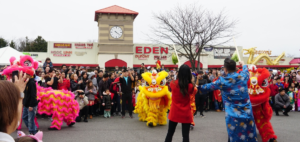
The first generation, who migrated as adults, carries vivid memories of Tết in Vietnam. For them, Tết is not merely a ritual but a cultural repository, a way to maintain ancestral connections and pass values to younger generations. Celebrating Tết abroad helps recreate these memories and provides continuity and stability in a foreign environment.
The second generation, raised in the host society but influenced by their parents’ traditions, experiences Tết as a negotiation between memory and reality. They retain core values such as family reunion and ancestor remembrance, while adapting rituals to modern life. This generation acts as a bridge, translating traditional practices into meaningful experiences for both elders and children.
The third generation, born and raised entirely overseas, tends to view Tết as a cultural symbol and experiential event. Rituals are less central than atmosphere, shared activities, and identity-building. Their participation is often creative and playful, focused on experience rather than strict adherence to tradition. They generally resist rigid frameworks imported directly from Vietnam.
4. Regional Traditions Carried Overseas
Beyond generational differences, regional variations in Tết are also carried abroad. Northern traditions emphasize ritual, ancestral worship, and symbolic foods like bánh chưng and peach blossoms. Southern Tết is lively and festive, with bánh tét, apricot blossoms, preserved vegetables, folk games, and warm greetings. Central Vietnam’s Tết remains solemn and restrained, shaped by harsher weather conditions.
Preserving all three traditions while creating shared experiences allows overseas Vietnamese communities to respect diversity without losing unity. The “blended but not merged” approach, similar to the American “salad bowl”, maintains each region’s identity while highlighting shared values such as family reunion, ancestor remembrance, and New Year blessings. In this way, diversity becomes a source of strength rather than division.
Overseas Tết also offers an opportunity to connect with the host society by inviting friends, neighbors, and colleagues to participate in traditional foods, games, storytelling, and cultural experiences. Recognizing the contributions of all generations ensures that overseas Tết becomes a shared cultural space, strengthening community belonging while fostering goodwill with the broader society.
5. Why Harmonization Is Necessary?
To ensure that overseas Tết remains meaningful, practical, and accessible to non-Vietnamese, several fundamental steps may be applied throughout the celebration:
- First, clarify the core meaning of Tết: family reunion, ancestor remembrance, and renewal.
- Second, define generational roles: the first generation preserves memory, the second interprets and translates culture, and the third experiences and innovates.
- Third, share Tết with the host community by inviting participation and explaining customs;
- Fourth, create interactive experiences such as communal meals, folk games, storytelling, and shared memories of rural Tết in the past;
- Fifth, document and transmit memories through photos, videos, and storytelling, enabling everyone to feel like active participants.
When generations embrace the spirit of “unity in diversity,” differences in customs become cultural complements rather than sources of conflict. Successful harmonization does not impose uniformity, but allows each generation to participate according to its role, preserving memory, interpreting culture, or creating new experiences.
Harmonization creates a shared space that preserves distinct identities, ensuring that all three regions, North, Central, and South, feel that Tết belongs to them and to the Vietnamese nation as a whole. Its benefits include:
- Preserving national sentiment, as younger generations see diversity united by shared values;
- Enriching cultural experience through food, games, and storytelling;
- Strengthening community bonds, especially in overseas settings or among different regions within Vietnam.
Harmonizing Tết does not erase differences; it respects and connects them. When each region retains its identity while participating in shared experiences, Tết becomes a living symbol of Vietnamese cultural affection, uniting generations and regions from North to South, at home and abroad.
In summary, overseas Tết is not a replica of Tết in Vietnam but a living, adaptive tradition that connects generations. By harmonizing regional rituals, bridging generations, and welcoming the host community, Vietnamese Tết becomes a shared space of memory, experience, and creativity. When celebrated with openness and flexibility while preserving core values, overseas Tết allows everyone to feel that it truly belongs to them, while fostering understanding and goodwill beyond the community.
“We do not preserve Tết to cling to the past, but to help generations find common ground, where they recognize that they belong to one another.”
Vietnamese people should view overseas Tết as both an internal bond and a cultural dialogue with the host society. Harmonization means enabling each generation to recognize Tết’s value and participate in its own way, creating a shared Tết where memory, experience, and creativity meet without forcing one generation to conform to another.
What matters most is that overseas Tết, though not identical to its original form in Vietnam, can become a vibrant and adaptive version that unites generations while preserving Vietnamese cultural identity.
Mai Thanh Truyết
February 2026